Consumption Emissions
Like transportation emissions and home utilities, consumption of "stuff", food, clothes, and toys also generates emissions. These are indirect emissions because we really can't control these emissions. Gasoline for our vehicles and natural gas and electricity for our homes is considered direct emissions.
You might wonder how emissions are generated from the things we purchase.
Lets begin with food. Growing food requires fertilizer. Fertilizer production requires intense use of natural gas. If the plants require irrigation, there is energy required to pump the water. Tractors are needed prepare the soil, plant the seeds, and harvest the crops. Tractors require fuel. There is food processing, packaging, transportation, and storage. All of this requires energy which means more CO2 emissions.
Clothing also requires energy. We need to grow and harvest the cotton and process the cotton into fabric. Synthetic fibers are petroleum based and also require lots of energy inputs to be processed into fabric. Fabric then has to be cut and sewed and shipped and stored. Every part of the process requires energy, which mean it also emits CO2.
The same is true for our Iphones and Barbie Dolls. Anything we buy requires energy inputs and results in carbon emissions. This means that reducing consumption reduces our carbon footprint. The problem is tracking these emissions is nearly impossible. Emissions from any single item is not that impactful. However, combined, just like our vote, is consequential.
There is no easy way to track of our consumption and accurately calculate the emissions. We can only do rough estimates, often based on income. Those with more income, typically purchase more stuff.
The one consumption area that is most studied and is likely the highest category of emissions for most people is food consumption. Unlike a shirt or shoes or TV, we purchase food daily. This means that for most people emissions from our diet is significant. A standard meat diet emits about 1500 kg per year or about 4 kg/day. For many, food emissions is more than their utility emissions (See Home Emissions). It may surprise you but 3 cans of soda are equivalent to the daily emissions from a refrigerator!
NEEDS MORE WORK . . .
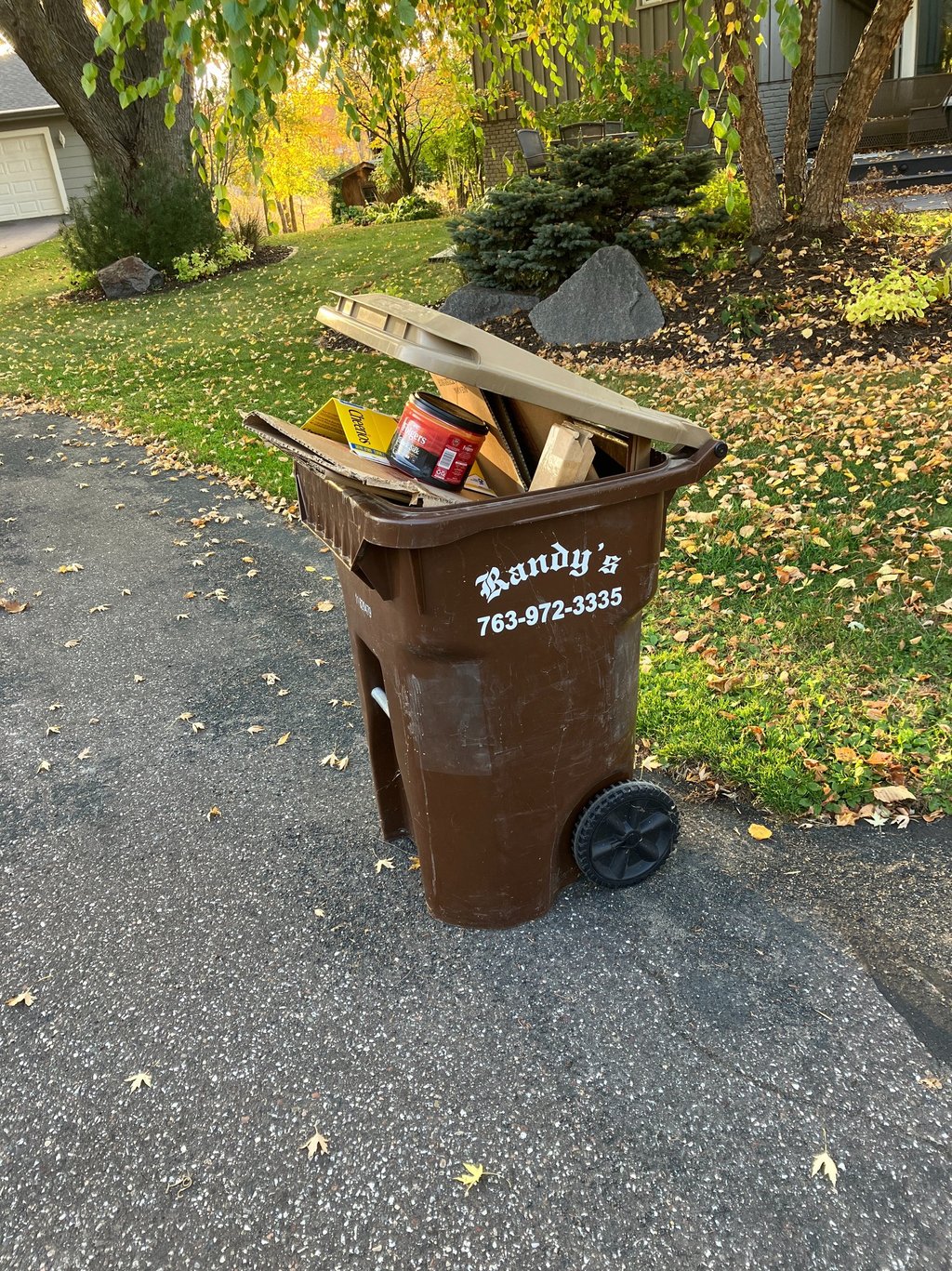
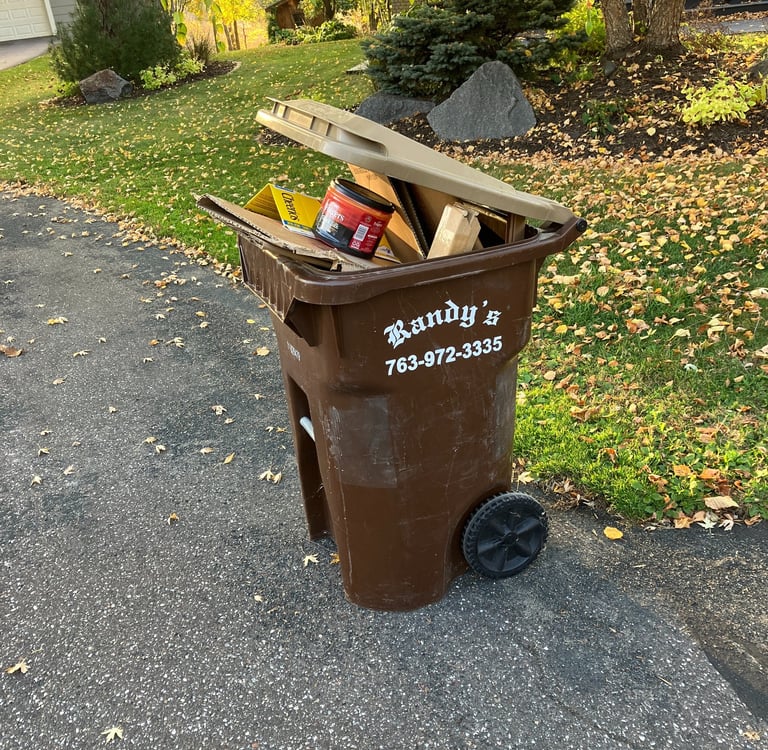
Consumption emissions are the hardest to track. Does a full recycling bin suggest you saving the planet or consuming too much?